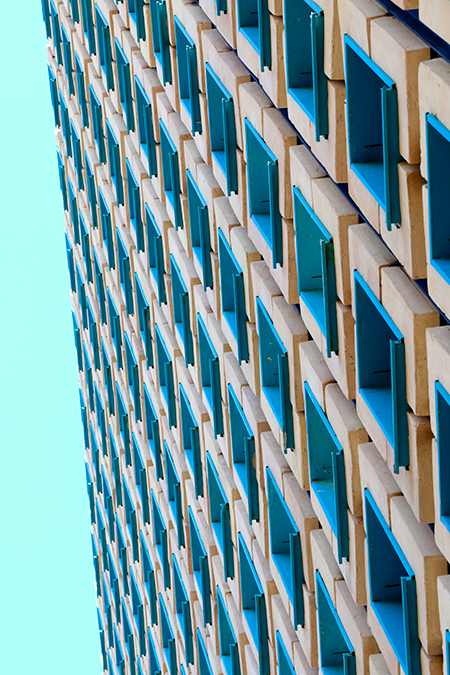
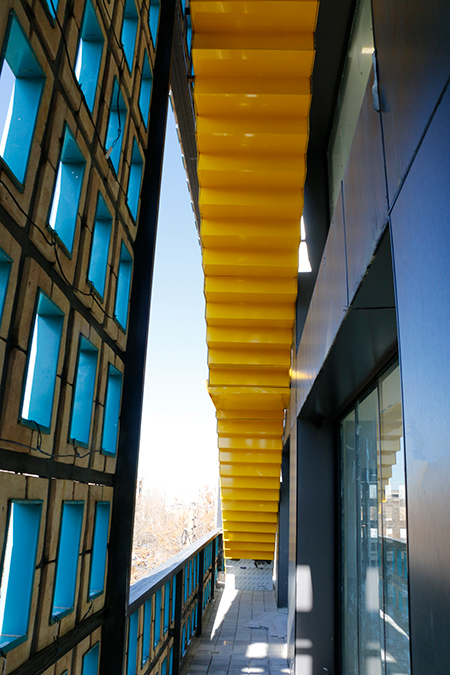
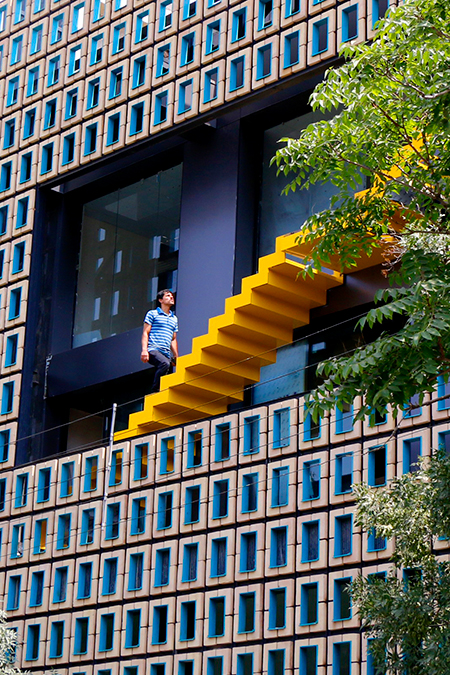
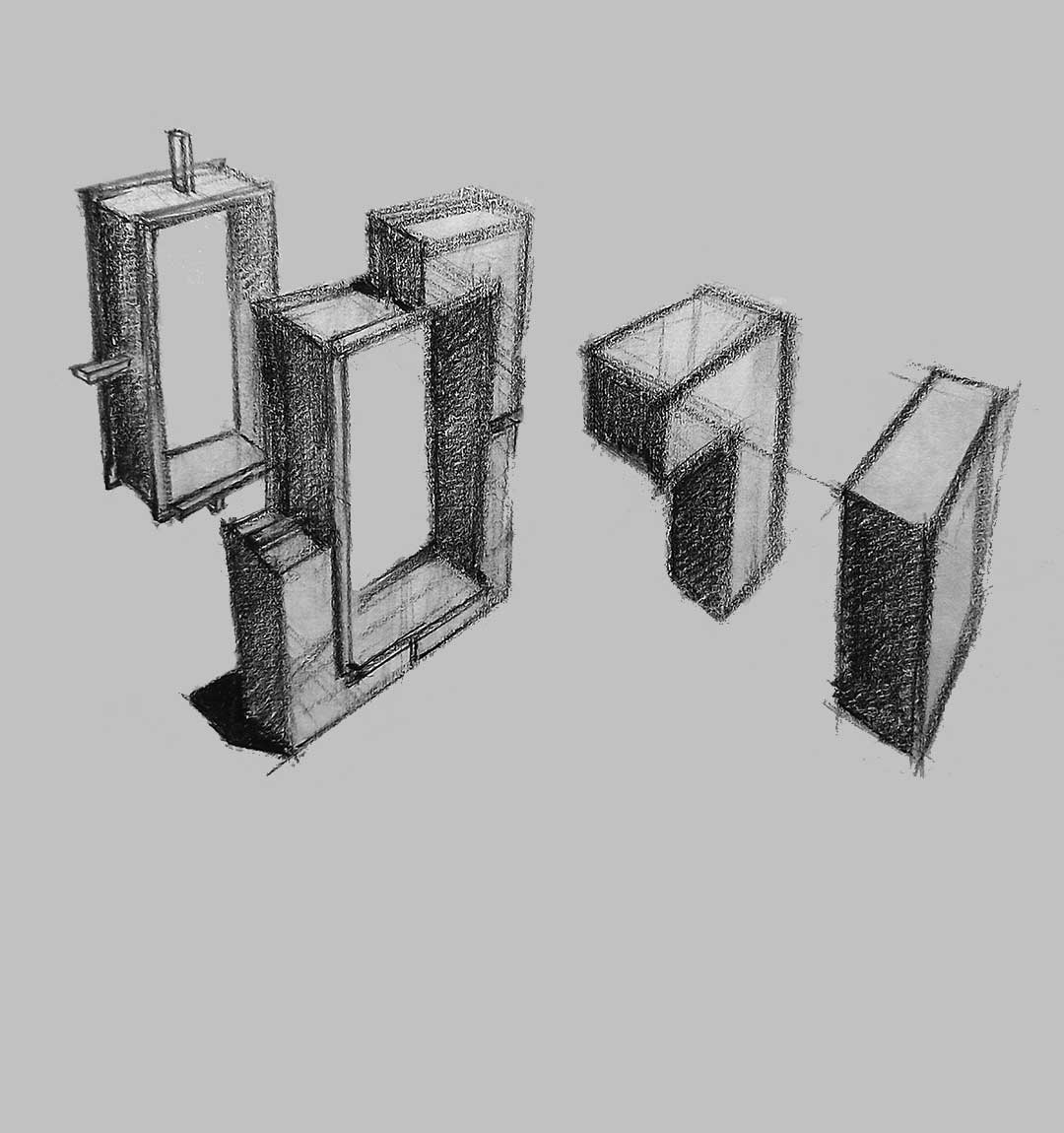
Considering that the topic of movement in architecture and contemporization of elements and concepts of Iranian architecture in the various periods (which has a lot of wealth at the global level) was on the agenda of this project; Concepts such as the translation of geometric patterns of Noushijan hill (one of the most important buildings of the Medes period), the modernization of the porch and the use of past greenery on the roof of the project were shared with the city.
Client
Javad Bonyasi
Size
250,14 square feet
Completion Date
2023
Sustainability
BC Energy Step Code 2
PROJECT WITH DESCRIPTION EXAMPLE
As land increasingly functions as capital, its limitations have significantly influenced housing and urban real estate. Consequently, contemporary architects are compelled to design buildings prioritizing commodity-oriented features. This shift often results in smaller building components, restrictions on size and shaping, and heightened emphasis on the texture of building facades.
The arrangement of architectural structures in cohesive ensembles, such as a street, generates urban vibrancy. Additionally, preserving dialogue and harmony among buildings while honoring significant historical structures fosters a connection between contemporary projects and the past. This integration underscores the originality of design and enriches the surrounding environment with a sense of continuity.
Another crucial consideration is acceptability, which aims to sustain the project’s vitality through efficient energy consumption. This involves three key components: spatial adaptability across seasons, flexibility to accommodate change, and prioritizing thermal comfort to enhance the quality of life flow within the space.